The gentle hum of a forest at dawn carries a sense of quiet anticipation. Sunlight filters through a dense canopy of leaves, casting irregular patterns of light and shadow across the forest floor. Moss clings to gnarled roots, and the occasional birdcall punctuates the stillness. Each step along the soft, earthy path reveals small wonders—a spider’s delicate web glistening with dew, a hidden cluster of wildflowers pushing through the undergrowth, the subtle movement of a squirrel navigating the branches above. These landscapes ask for time, inviting visitors to slow down and observe rather than rush. The forest is not merely a collection of trees but a living tapestry of textures, sounds, and scents that reward careful attention.
A meandering river presents a different rhythm altogether. Its surface reflects the sky, clouds drifting lazily as the water curves around smooth stones and fallen branches. Ducks and geese glide along the gentle current, and the occasional splash hints at unseen fish below. The riverbank is dotted with reeds that sway in the breeze, providing a natural soundtrack of rustling whispers. Each bend offers a new perspective, a fresh composition of light and shadow, motion and stillness. Sitting by the river for even a few minutes can feel like stepping into another dimension, one where the passage of time slows and the simple act of noticing becomes a source of profound pleasure.
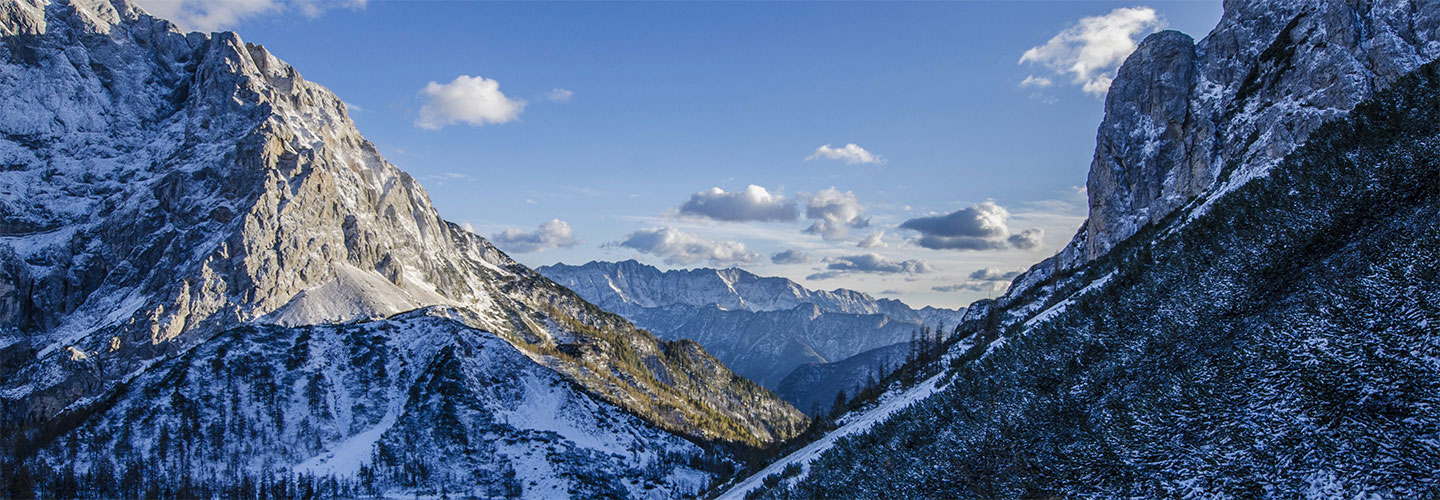
Mountain landscapes evoke a different kind of attention. Peaks rise sharply against the sky, their contours shifting as clouds move across their faces. From a distance, the mountains are monumental, unyielding, and awe-inspiring. Up close, the textures of rock, lichen, and soil invite tactile curiosity. A small wildflower growing from a crevice or the way a stream traces its way down a slope highlights the intricate details of an environment that might otherwise seem overwhelming. Hiking trails winding through these terrains encourage both physical engagement and reflective observation, allowing the mind to wander while the body follows a path that reveals the hidden narratives of the land.
Coastal landscapes blend the drama of motion with a meditative rhythm. Waves rise and fall with a constant pulse, shaping cliffs and sand alike. Seagulls wheel overhead, their cries blending with the roar of the surf. Tide pools reveal miniature ecosystems, where crabs scuttle, sea anemones sway, and small fish dart in crystalline waters. The beach offers a tactile experience as well—the grit of sand underfoot, the cooling splash of water, the scent of salt carried on the wind. Each moment spent along the coast feels immersive, as if the landscape itself is urging visitors to linger, to walk slowly, and to immerse themselves fully in its sensory offerings.
Rolling hills present subtler movements of the earth, a rhythm that unfolds gradually over distance. Fields of grass ripple under gentle breezes, occasionally punctuated by the vivid colors of wildflowers. The undulating shapes create a sense of depth and perspective, drawing the eye toward distant tree lines or a solitary farmhouse perched on a ridge. Walking through these hills can be almost hypnotic, a kind of moving meditation where the mind follows the contours of the land. The landscape encourages extended presence, rewarding those who take time to notice the interplay of light, shadow, and color across its expanses.
Desert landscapes, though seemingly stark, invite a different type of attentiveness. The textures of sand and stone, shaped by wind and time, offer patterns both vast and intimate. Shadows stretch across dunes, shifting as the sun arcs across the sky. The air carries a dry warmth, and silence dominates in a way that allows even subtle sounds—the scrape of wind against rock, the distant call of a desert bird—to register more fully. The desert asks for patience, for careful exploration of its sparse but intricate details, and in return, it offers moments of clarity and solitude that are difficult to find elsewhere.
Wetlands, too, reveal layered complexity for those willing to engage. Reeds and cattails sway above shallow waters, where frogs, insects, and waterfowl create a constant hum of activity. The reflections of the sky, trees, and plants ripple with every breeze, blending reality and reflection into a dynamic visual experience. Paths and boardwalks allow observers to navigate without disrupting the fragile ecosystem, offering opportunities for extended exploration and contemplation. Each corner turned can reveal a new interaction of life and environment, emphasizing the richness hidden in places often overlooked.
Even urban landscapes can possess the qualities that invite extended engagement. Parks, botanical gardens, and thoughtfully designed public spaces provide pockets of tranquility amidst the bustle. The layering of plant life, water features, and pathways can create a sense of discovery, where walking slowly uncovers small vignettes of beauty and interaction. The architecture of buildings, the rhythm of streets, and the flow of people can all become part of a larger composition that rewards observation and reflection. In these spaces, attention transforms ordinary surroundings into landscapes that encourage pause, curiosity, and prolonged appreciation.
Across all these environments, the common thread is an invitation to slow down and immerse oneself fully. A quick glance or a hurried walk often misses the subtleties—the shifting light, the nuanced textures, the interplay of sound and movement—that make each landscape unique. By allowing time and attention to expand, visitors enter a dialogue with the environment, experiencing a deeper sense of connection. Each place tells its own story, often quiet and understated, but infinitely rewarding for those willing to linger.
In the end, the landscapes that invite longer play are not defined by grandiosity alone but by the richness of detail, rhythm, and interaction they offer. They demand engagement, patience, and curiosity, offering experiences that transform simple observation into immersive exploration. Whether through the intricate weave of a forest, the flowing serenity of a river, the rugged drama of mountains, or the subtle textures of a desert, these spaces provide more than visual beauty—they cultivate mindfulness, wonder, and a sense of presence that lingers long after leaving. Each step taken, each moment spent, becomes a part of a larger story, a reminder that landscapes are most alive when we take the time to meet them fully.
Leave a Reply